TVS Orbiter EV Review: Practical and Reliable Electric Scooter Road Test
March 7, 2026
Share
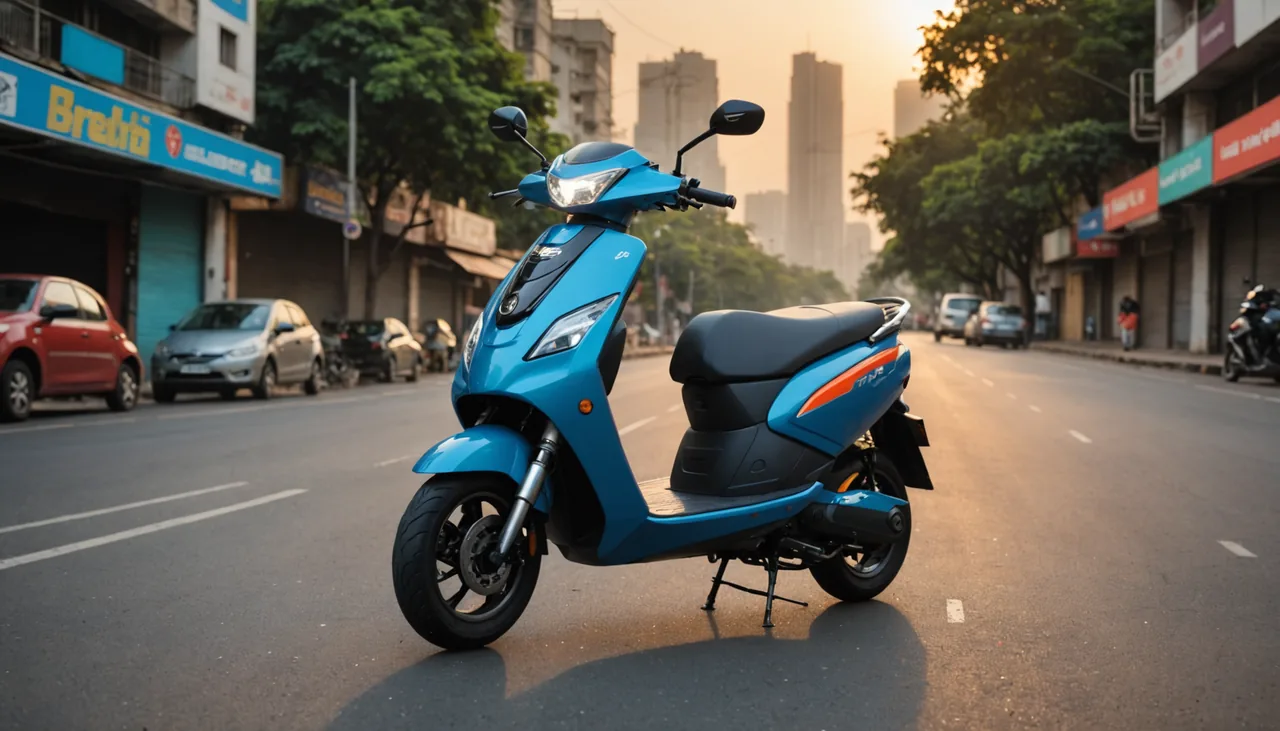
AI illustration
Cover image generated by AI to illustrate this story.
Key Takeaways
TVS Motor has surpassed Ola Electric to become India’s best-selling electric scooter brand with its iQube and new Orbiter models
The TVS Orbiter EV features a 3.1 kWh battery, 2.5 kW motor, and offers a claimed range of 158 km, with real-world testing showing 100-130 km depending on riding style
Priced at ₹99,999 ex-showroom, the Orbiter provides a large 34L boot, 5.5-inch colour LCD with Bluetooth and navigation, and a comfortable design for adult riders up to 6-feet tall
While praised for its family-friendly size, practical ergonomics, and decent performance on moderate terrain, the Orbiter lacks removable battery option and has a non-intuitive cruise control system
Best suited for predictable city commutes with reliable home charging, the Orbiter makes a strong value proposition against competitors at its price point
TVS Orbiter EV Review: Design, Performance, and Value
TVS Motor has made a significant mark in the electric scooter market with its iQube model, recently dethroning Ola Electric as India’s best-selling electric scooter brand. Expanding its electric lineup, TVS now offers a second electric scooter, the Orbiter. After spending a few weeks with the Orbiter across various road conditions in and around Pune, here are our detailed observations.
Design & Aesthetics
The TVS Orbiter stands out with its appealing design, which may attract many riders. While it may not be a head-turner for everyone, it garnered several positive comments during our test drive. Young riders, who are likely the target demographic, appreciated its look. The Neon Sunburst colour, in particular, received compliments for its vibrant and funky appearance. Other available colours include Stratos Blue, Lunar Grey, Martian Copper, Cosmic Titanium, and Stellar Silver.
The Orbiter’s design features include LED headlights on the handlebar cowl and a LED DRL strip on the front apron, complemented by sleek LED turn indicators at both the front and rear. The scooter also boasts several geometric patterns that contribute to its interesting look. Design elements such as flush-type rear footpegs, split rear grab rails, squarish ORVMs, and a tall windscreen add to its visual appeal. Although the windscreen isn’t necessary given the scooter’s top speed of 68 km/h, it enhances the overall aesthetics.
Functionality & Specs
The TVS Orbiter is a step-through scooter designed for practicality, featuring a flat floorboard. It includes a hook, a small glovebox, and a USB Type-A port behind the apron. With a boot space of 34 litres, it is sufficient for two half-face helmets but not suitable for a full-face helmet.
The scooter’s ergonomics are well-suited for taller riders, including those who are 6 feet tall. The 845mm long seat provides adequate support and cushioning, making it comfortable for short city commutes and capable of accommodating two adults, possibly with a child for school drops.
The Orbiter features a 5.5-inch colour LCD cluster that provides various informative functions, including Bluetooth connectivity and turn-by-turn navigation via the TVS Connect app. The scooter’s wheels are 14 inches at the front and 12 inches at the rear, both made of alloy. Although the wheel combination may seem unconventional, it doesn’t hinder rideability. The scooter lacks disc brakes, which is acceptable given its intended use and speed limitations. The headlights and horn are decent but unremarkable.
Powering the Orbiter is a 3.1 kWh battery pack and a 2.5 kW (3.35 bhp) hub motor on the rear wheel. It offers two riding modes: Eco and City. The claimed range is 158 km, but real-world testing suggests a range of 100 to 130 km, depending on riding style and regenerative braking usage.
Performance & Charging
The TVS Orbiter delivers decent performance for a family-oriented electric scooter. Its powertrain is smooth, and the large wheels provide an impressive ride quality. The scooter feels adequately powered on level roads and moderate inclines but may struggle on very steep slopes.
The Hill Hold feature is particularly appreciated, as it prevents the scooter from rolling backward on inclines. However, the Cruise Control feature feels more like a gimmick. Activating it is not intuitive and can divert attention from traffic, making it less useful in practice. Although it functions on empty roads, its initiation process is cumbersome.
Charging the Orbiter is another area with mixed reviews. The lack of a removable battery limits charging flexibility, as users must charge the scooter in place. While one might argue that buyers will set up charging at home, situations may arise where charging outside the home is necessary. In such cases, a removable battery would be highly beneficial.
Should You Buy One?
Priced at ₹99,999 (ex-showroom), the TVS Orbiter offers excellent value for its price, especially when compared to the iQube with a similar battery capacity. It boasts a larger size, a unique and quirky design, and a commendable range. The Orbiter is ideal as a practical electric scooter for predictable daily commutes, provided the route doesn’t include steep inclines and a reliable home charging setup is available.
However, it may not appeal to everyone. TVS could enhance its appeal in the competitive Indian electric scooter segment by offering a more affordable variant without Bluetooth, turn-by-turn navigation, and the non-intuitive Cruise Control feature.
 AI illustration